
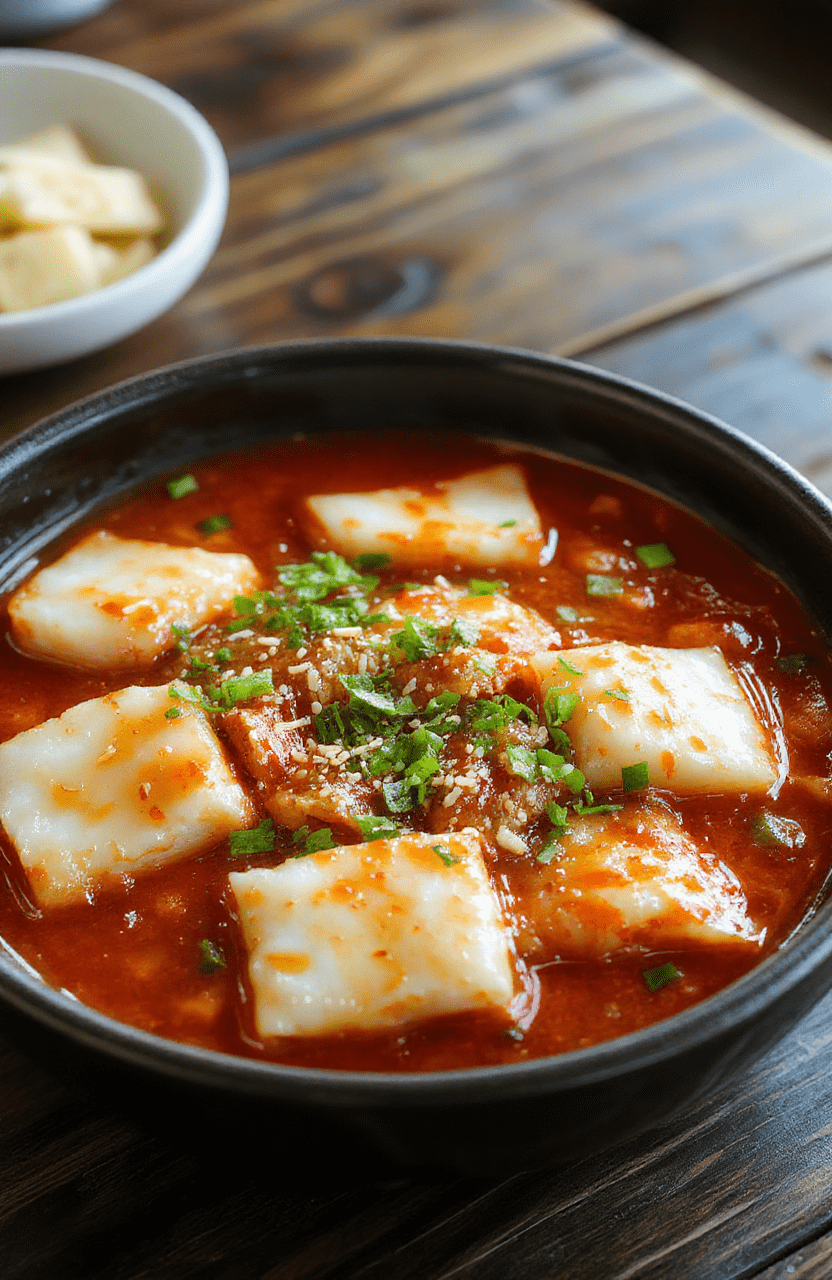
Spicy Tteokbokki in 20 Minutes 🔥 Authentic Korean Rice Cakes
1. Introduction
Craving a vibrant, tongue-tingling bowl of comfort? This Spicy Tteokbokki in 20 Minutes brings authentic Korean flavors into a weeknight-friendly skillet. The glossy gochujang sauce clings to chewy Korean Rice Cakes, while a kiss of sesame and scallion brightens every bite. This is the gochujang stir fry you’ve been dreaming of—bright, smoky, and just the right amount of heat.
Made with pantry staples, you can finish from start to finish in under 20 minutes. If you love quick, flavor-packed meals, you’ll also enjoy our quick, savory posts like Big Mac Wraps in 15 Minutes for a different weeknight inspiration. For a different quick snack, peek at our Crispy Air Fryer Mozzarella Sticks guide.
2. Why You’ll Love This Recipe
- Ready in 20 minutes—lean into weeknight weeknights without sacrificing flavor.
- One-skillet wonder—minimal cleanup and maximum aroma in your kitchen.
- Bold, authentic flavors—gooey gochujang sauce, garlicky warmth, and a touch of sweetness balance the spice.
- Flexible heat—adjust gochujang and sugar to taste; use Korean Rice Cakes (tteok) for true texture or substitute with other chewy substitutes in a pinch.
- Great for meal prep or a flavorful leftovers upgrade; see more quick ideas in our other posts like Fluffy Pancakes Perfect for Two.
3. Ingredient Notes
The backbone of this dish is the chewy Korean Rice Cakes (tteok) and a rich gochujang-based sauce. Look for gochujang with depth—slightly sweet, deeply spicy, and savory. If you can’t find traditional tteok, you can soften standard rice cakes in a quick simmer to mimic the texture, then drain before saucing.
Key components and why they’re included: – Korean Rice Cakes (tteok): chewy, absorbs sauce brilliantly; fresh or well-stored dried versions both work with a brief simmer. – Gochujang: the star flavor; choose a paste that’s balanced in heat and sweetness. – Soy sauce or tamari: adds umami and salt to round the heat. – Garlic, sugar, sesame oil: build aromatics and a gentle sweetness to cut the spice. – Green onions and sesame seeds: fresh finish and crunch.
Quality options: if you want the most authentic texture, pick authentic Go-chu-jang paste and slightly train off heat with a splash of water to adjust thickness. For a gluten-free version, ensure your gochujang and soy sauce are GF-certified.
4. Kitchen Tools You Need
To achieve glossy sauce and perfectly tender rice cakes, a sturdy skillet or wok is ideal. The right tools speed up prep and make the technique foolproof:
- T-fal 14-Piece Hard Anodized Nonstick Cookware Set — excellent heat distribution for quick stir-fries; keeps sauces from sticking as they thicken. See on Amazon.
- Compact 6-in-1 Digital Air Fryer by Amazon Basics — handy for crisping any side bites or reheated leftovers; compact and easy to clean. See on Amazon.
- Deluxe 33-Piece Silicone Utensil Set — you’ll need tongs, spatulas, and spoons to toss the tteok without breaking it. See on Amazon.
- Ninja 12-in-1 Smart Double Oven with FlexDoor & Air Fry — if you want a single appliance to handle multiple tasks while you cook. See on Amazon.
5. How to Make Spicy Tteokbokki in 20 Minutes Authentic Korean Rice Cakes
Phase 1 — Prep the ingredients
Rinse the rice cakes if they’re packaged in a starchy liquid and roughly pat dry. Slice any additions like fish cake or scallions into bite-sized pieces. You want everything ready so the simmering stage moves quickly and smoothly.
Phase 2 — Whisk the sauce
In a small bowl, whisk together gochujang, a splash of soy sauce or tamari, sugar, minced garlic, and a dash of sesame oil. The mixture should be bright red-orange with a glossy sheen. This is your flavor passport—savory, spicy, and a touch sweet.
Phase 3 — Cook the dish
Heat a skillet over medium heat and add a thin veil of oil. Pour in the sauce and bring to a lively bubble. Slide in the rice cakes, stirring gently so they don’t tear, and simmer until they’re plump and shiny, about 4–6 minutes. If the sauce thickens too fast, splash a tablespoon of water at a time to loosen it. Finish with sliced scallions and sesame seeds for a fresh aroma and a subtle crunch.
6. Expert Tips for Success
- Brown the garlic in a touch of oil before adding the sauce to release more aroma.
- Keep the simmer gentle; high heat can dry out the rice cakes and create a starchy, sticky sauce.
- Taste and adjust: add a pinch more sugar if the heat lags behind sweetness, or a splash more gochujang for depth.
- Softened rice cakes absorb sauce beautifully—don’t skip the pre-soak or quick rinse if they’re stubbornly stiff.
- If you want extra savor, finish with a whisper of sesame seeds and a drizzle of sesame oil just before serving.
7. Variations & Substitutions
- Vegetarian — keep it plant-based with a mushroom medley and add a splash of mushroom soy for extra depth.
- Gluten-free — confirm gluten-free gochujang and tamari; swap soy with coconut aminos if needed.
- Seafood twist — add sliced squid or shrimp toward the end so they stay tender.
- Cheesy finish — sprinkle shredded cheese or a light handful of shredded mozzarella to melt into the sauce for a creamy-luxe version.
8. Storage & Reheating
Store leftovers in an airtight container in the fridge for up to 2 days. Reheat over low heat with a splash of water to loosen the sauce, then toss to recoat the rice cakes. The texture is best when eaten fresh, but this dish still offers excellent flavor as a next-day lunch.
9. FAQ
Q: What is tteokbokki?
A: Tteokbokki is a popular Korean street-food dish featuring chewy rice cakes simmered in a spicy-sweet gochujang sauce, often with fish cakes and scallions.
Q: Can I make this in 20 minutes?
A: Yes. With mise en place ready and a hot pan, the sauce comes together quickly and the rice cakes soften in minutes for a glossy finish.
Q: Can I freeze leftover sauce?
A: You can freeze the extra sauce separately and reheat with more rice cakes or vegetables for a fresh, spicy stir-fry later.
Q: Is it very spicy?
A: Spiciness depends on your gochujang. Start with a conservative amount, taste, then adjust to your preferred heat level.
10. Conclusion
Spicy Tteokbokki in 20 Minutes is a confident, comfort-rich dish that brings the soul of Korean street food to your home kitchen. Quick, glossy, and deeply flavorful, it proves you can achieve authentic taste with pantry staples and a short cooking window. For more gochujang-inspired weeknight ideas, explore our other quick supper guides and keep the spice dial set to your preference.
Print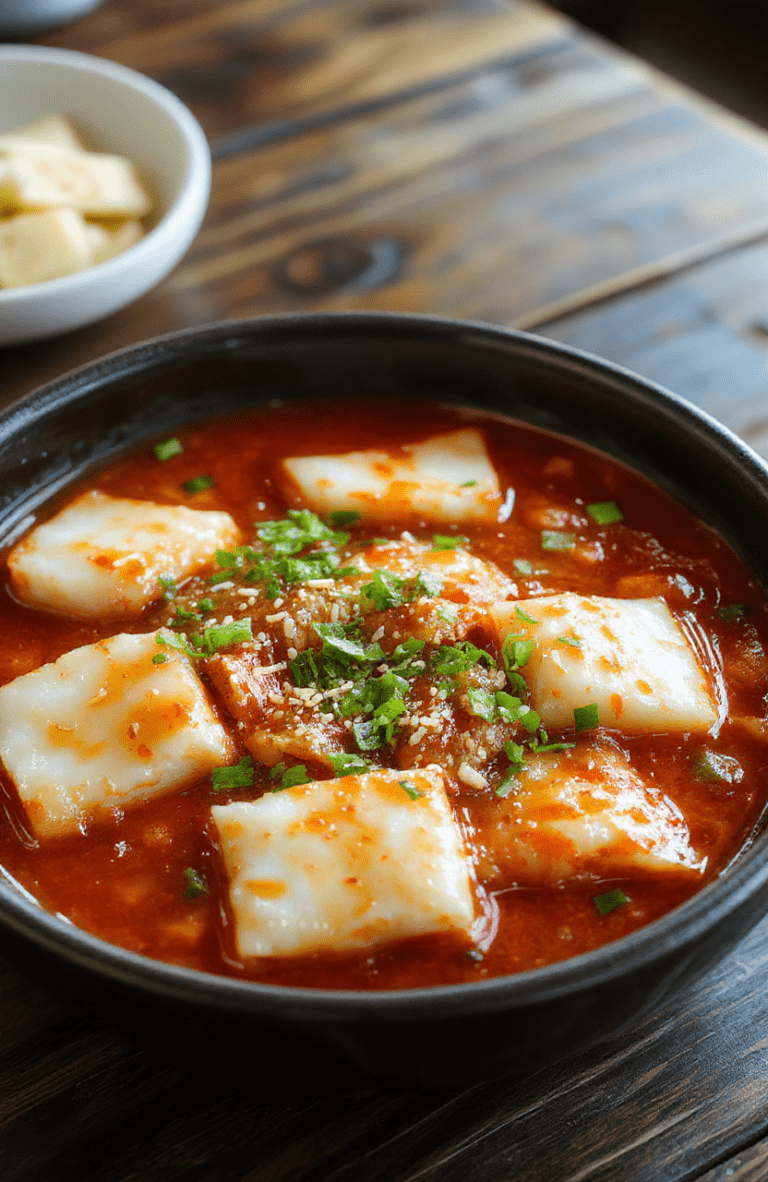
Spicy Tteokbokki in 20 Minutes Authentic Korean Rice Cakes
This Spicy Tteokbokki recipe features chewy rice cakes simmered in a fiery gochujang sauce with fish cakes and vegetables. Ready in about 20 minutes for a satisfying weeknight dinner.
- Total Time: 20 minutes
- Yield: 4 servings
Ingredients
- 1 pound Korean rice cakes (tteok)
- 3/4 cup gochujang paste
- 2 tablespoons gochugaru (Korean chili flakes) optional
- 2 garlic cloves, minced
- 2 tablespoons soy sauce
- 1 tablespoon sugar or honey
- 1 cup vegetable broth or water
- 1 cup fish cakes, sliced
- 1 small onion, sliced
- 1 carrot, thinly sliced (optional)
- 2 scallions, chopped
- 1 teaspoon sesame oil
- 1 tablespoon sesame seeds
- Optional hard-boiled egg halves
Instructions
- Soak rice cakes if very hard; drain and set aside.
- In a wide skillet, combine broth, gochujang, gochugaru (if using), garlic, soy sauce, and sugar; bring to a simmer.
- Add onion and carrot; simmer 3–4 minutes until vegetables soften.
- Add rice cakes and fish cakes; simmer 6–8 minutes until sauce thickens and rice cakes puff.
- Stir in sesame oil, then garnish with scallions and sesame seeds; add eggs if desired.
- Serve hot and enjoy immediately.
Notes
- Adjust spice by adding more gochujang or gochugaru, or use a milder paste for less heat.
- For a vegetarian version, omit fish cakes or use tofu or mushrooms.
- Store leftovers refrigerated for 2–3 days; reheat gently to loosen sauce.
- Prep Time: 5 minutes
- Cook Time: 15 minutes
- Method: Stovetop
- Cuisine: Korean
- Diet: Pescatarian
Nutrition
- Serving Size: 1 cup
- Calories: 260 Kcal
- Sugar: 7 g
- Sodium: 720 mg
- Fat: 9 g
- Saturated Fat: 2 g
- Unsaturated Fat: 7 g
- Trans Fat: 0 g
- Carbohydrates: 40 g
- Fiber: 2 g
- Protein: 13 g
- Cholesterol: 25 mg