
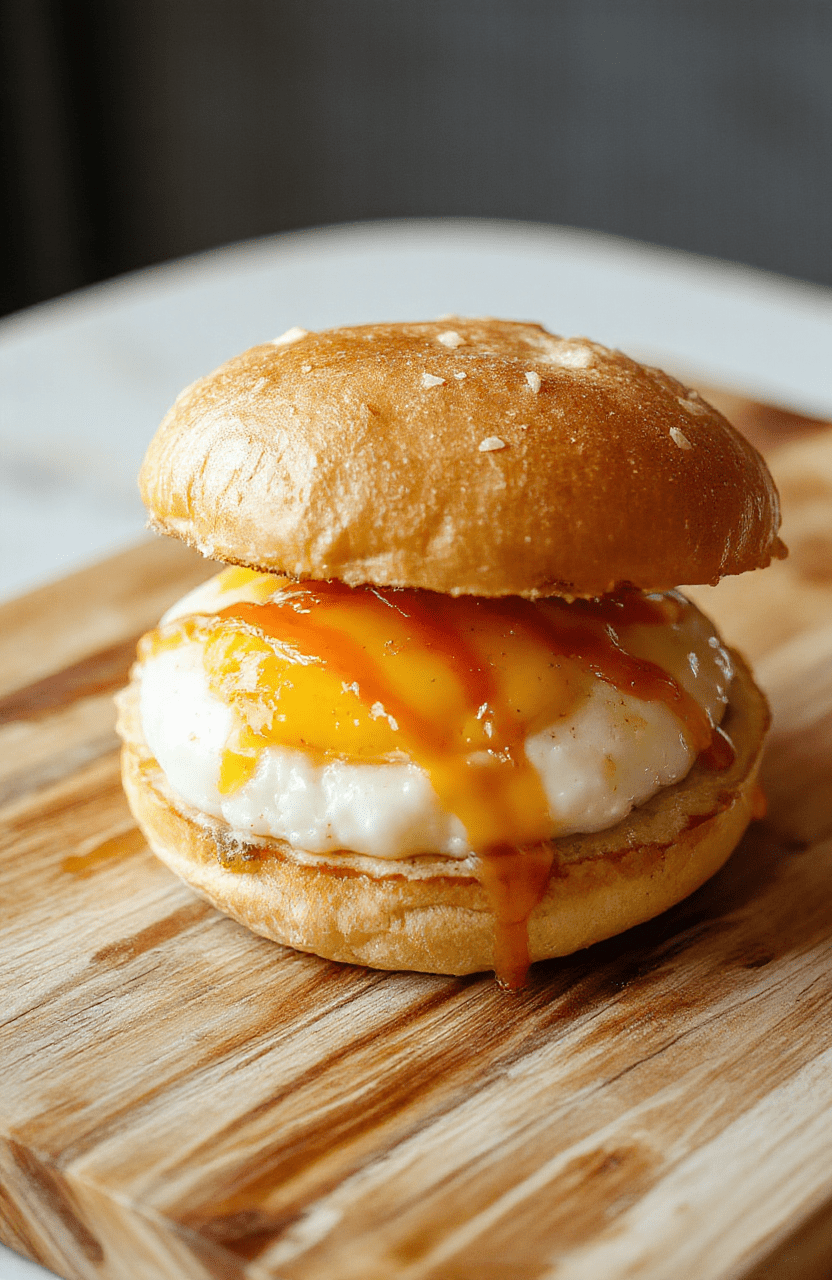
✨ Creamy, Cloud-Like Fluffy Japanese Egg Sandwich 🥪 A Silky Tamago Sando That Melts in Your Mouth
1. Introduction
If you’ve ever bitten into a tamago sando — the iconic Japanese egg sandwich — you know it’s not just comfort food, it’s a moment of pure serene indulgence. Unlike your average egg salad sandwich, this classic Japanese delicacy features an impossibly light, sweet, and creamy egg filling nestled between two slices of soft, pillowy shokupan (milk bread). The texture is light as air, the flavor gently sweet and buttery, and every bite feels like a hug from Tokyo itself. This version nails the authenticity while keeping things easy for your home kitchen — no fancy tools, no obscure ingredients, just expert technique to deliver that signature katsu sando texture we all crave.
2. Why You’ll Love This Recipe
- ⏱️ Ready in under 25 minutes from prep to plate
- Kitchen Staples Only: No hard-to-find ingredients
- 👶 Family-Friendly: Mild, naturally sweet, and loved by kids and adults
- 🌟 Crowd-Pleaser: Elegant enough for afternoon tea, simple enough for aweekday lunch
- 🍪 Pairs beautifully with a cup of coffee or Japanese milk tea
Just like our Ultimate Moist Chocolate Banana Bread, this sandwich relies on quality fundamentals and technique over complexity — a true hallmark of well-crafted comfort food.
3. Ingredient Notes
While this recipe appears simple, every ingredient here plays a critical role in achieving that unmistakable Japanese egg sandwich texture and flavor:
- Shokupan (Japanese milk bread) — This is non-negotiable for authenticity. Its delicate crumb, slight sweetness, and soft texture are essential. If you can’t find pre-sliced shokupan, look for Japanese bread at your local Asian grocery or use brioche or sweet milk bread as a backup — but trim the crusts for that classic tamago sando look.
- Large eggs, room temperature — Cold eggs can cause uneven cooking in the steaming method. For richer flavor, use pastured or free-range eggs — the yolk color alone will tell you you’re on the right track.
- Heavy cream (or half-and-half for a lighter version) — This adds fat and body to create the signature creaminess. Don’t skip it — water or milk alone won’t give you that silken mouthfeel.
- Unsalted butter — Butter enhances both richness and aroma. I prefer European-style butter with higher fat content (like Plugrá or Kerrygold) for an even more decadent filling.
- Sugar & salt — The sugar is subtle (just enough to balance) while the salt heightens all the flavors. It’s the same principle behind why we add a pinch to Buffalo Chicken Sliders — balance unlocks depth.
- Mustard (optional, but recommended) — A tiny dab of Dijon or yellow mustard brightens the filling and adds subtle tang — a pro trick from Tokyo bakeries to prevent cloying sweetness.
4. Kitchen Tools You Need
While a traditional tamago sando requires minimal gear, a few smart tools make all the difference in achieving restaurant-level results at home:
- Nonstick frying pan — A quality, scratch-resistant surface ensures your delicate egg custard releases cleanly and browns evenly. The T-fal 14-Piece Hard Anodized Nonstick Cookware Set includes a perfect 10" frypan and has held up through years of everyday use in my test kitchen.
- Sandwich press or heavy pan — You’ll want to gently compress the sandwich to merge the layers and prevent sogginess. While dedicated tamago sando presses exist, a lightweight cast-iron or enamel Dutch oven works beautifully as a press — just line it with parchment to avoid direct contact with the bread.
- Handheld immersion blender (optional) — For ultra-smooth custard, the Compact 6-in-1 Digital Air Fryer by Amazon Basics isn’t ideal here, but its smaller sibling — the Ninja Air Fryer Pro Crisp & Roast 4-in-1 — comes in handy for reheating leftover toast later.
- Sharp serrated knife — To slice the sandwich cleanly without crushing it. A dull blade will mash the tender bread.
5. How to Make Fluffy Japanese Egg Sandwich
Phase 1: Prep the Bread
Cut crusts from 4 slices of shokupan. Lightly butter the *top* side of two slices — this will be the outer face, so the buttery crust becomes a delicately crisp, golden exterior. Keep remaining slices plain.
Phase 2: Make the Custard Filling
In a medium bowl, whisk together 3 large eggs and 2 tablespoons sugar until pale and slightly frothy. Add 3 tablespoons heavy cream, 2 tablespoons melted unsalted butter, a pinch of salt, and ½ teaspoon Dijon mustard (optional). Whisk gently until just combined — avoid overmixing to prevent bubbles.
Phase 3: Cook the Egg Layers
Pour half the custard into a lightly buttered 8-inch square baking dish (or nonstick skillet). Place the dish in a larger pan filled with 1 inch of simmering water (a traditional bain-marie). Cover with foil and steam over low heat for 12–14 minutes until just set — the center should jiggle slightly. Repeat with remaining custard. Let cool completely — hot custard will melt the next layer!
Phase 4: Assemble & Press
Spread one cooked egg layer evenly onto two plain bread slices. Top with remaining bread (buttered side OUT). Place in a warm, *dry* skillet over low heat. Place a heatproof plate or lid on top and press gently for 2–3 minutes per side, until golden and slightly compressed. Let rest 5 minutes before slicing.
6. Expert Tips for Success
- Cool the custard fully — Warm layers will sog the bread. Patience is key!}
- Don’t overcook the eggs — Pull custard out at 160°F; carryover heat will finish it. Overcooked egg turns grainy, not silky.
- Use very low heat when pressing — High heat scorches the buttered crust before the center softens — the goal is warmth and melding, not browning.
- Slice with a floss technique — Wrap dental floss around knife or use unflavored dental floss to gently saw through sandwich without squishing.
- Bread thickness matters — If slices are too thin (< ½ inch), sandwich gets soggy fast. Aim for ⅝ inch.
These are the same kind of actionable details I share in my Dump-and-Go Smothered Pork Chops — where technique determines whether it’s just okay or unforgettable.
7. Variations & Substitutions
- Vegan Tamago Sando — Replace eggs with ½ cup silken tofu + 1 tbsp nutritional yeast + 1 tsp turmeric for color. Use plant-based cream and butter.
- Protein Boost — Fold in 2 tablespoons finely choppedham or cooked, crumbled bacon for a savory twist.
- Herb & Spice Twist — Add 1 tablespoon finely minced chives or dill for freshness, or pinch of garam masala for warmth.
- Cheesy Version — Mix in 2 tablespoons shredded Gruyère or cream cheese into the custard for a stretchy surprise.
For a full menu, pair this with our Best Super Bowl Appetizers for Game Day likeloaded buffalo stuffed jalapeños or baked mozzarella sticks.
8. Storage & Reheating
Cold storage: Wrap tightly in parchment + plastic and refrigerate up to 2 days. Best eaten the same day, but stores well.
Reheating: For best texture, toast in a dry skillet or air fryer at 300°F for 3–4 minutes per side until warm. Avoid the microwave — it makes bread chewy.
Freezing: Not recommended — the high water content in eggs causes textural breakdown upon thawing.
9. FAQ
What’s the difference between tamago sando and katsu sando?
Tamago sando is a sweet, fluffy egg salad sandwich. Katsu sando is a crispy breaded pork cutlet sandwich — heartier and savory. They’re both Japanese classics, but serve very different moods!
Can I make this without heavy cream?
Yes — substitute whole milk + 1 tablespoon melted butter for every 2 tablespoons cream.Texture will be slightly less rich, but still delicious.
Why did my filling turn grainy?
Overcooking or high heat! Egg proteins tighten when overheated, squeezing out moisture. Keep custard in gentle steam and remove at 160°F internal temp.
What bread can I use if I can’t find shokupan?
Best substitutes: brioche, challah, or a soft sweet milk bread (like Pepperidge Farm Heritage White). Always trim crusts and toast lightly for structure if bread is overly soft.
10. Conclusion
This fluffy Japanese egg sandwich — or tamago sando — is more than just lunch; it’s a celebration of mindfulness in cooking. With its delicate sweetness, creamy texture, and cloud-like crumb, it’s become my go-to for when I want to slow down and savor. Whether you’re hosting a cozy brunch or surprising your kids with a nostalgic treat from Tokyo, this sandwich delivers comfort in every bite. So grab your sharpest knife, your trusty skillet, and get ready to fall in love with the world’s most elegant egg salad — no reservations required. 🫖
Print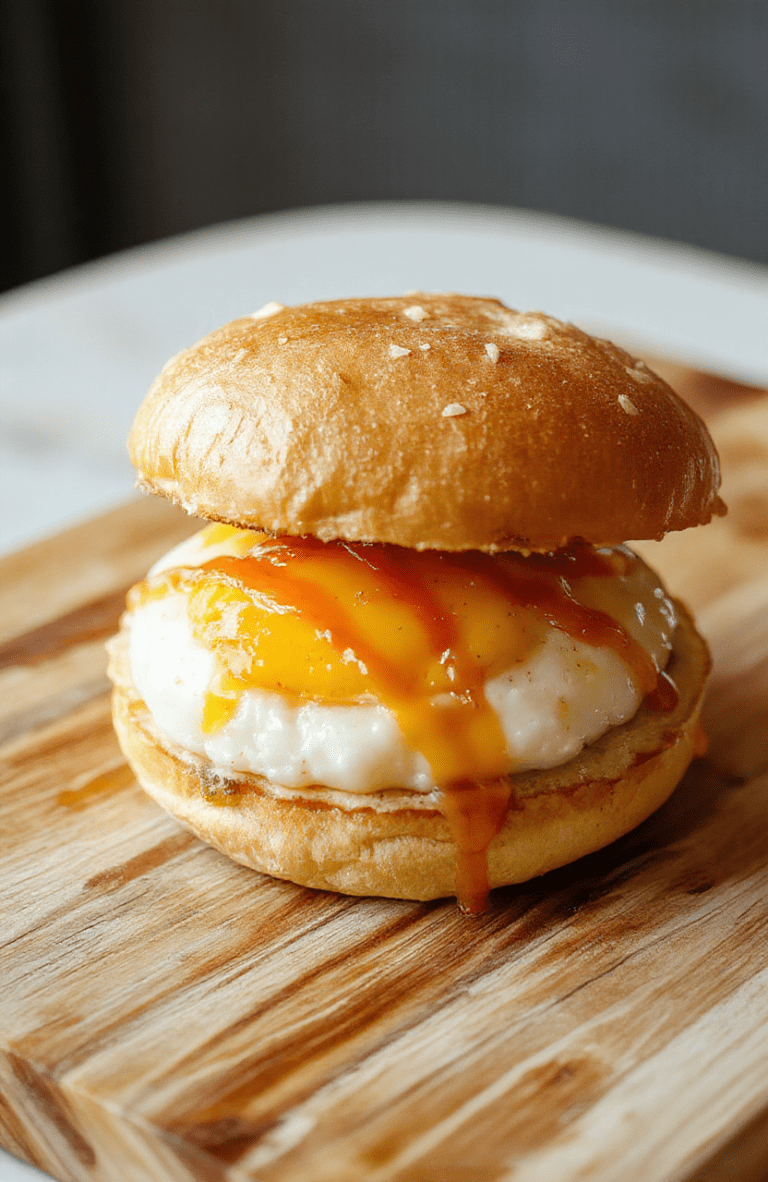
Fluffy Japanese Egg Sandwich
This viral Japanese egg sandwich, or tamago sando, features a sweet, creamy, and ultra-fluffy egg salad tucked between two slices of soft milk bread—crustless for that iconic squishy texture. Perfect for quick lunches or picnics.
- Total Time: 15 minutes
- Yield: 2 sandwiches
Ingredients
- 4 slices soft white milk bread (shokupan), crusts removed
- 3 large eggs, hard-boiled and peeled
- 2 tbsp mayonnaise
- 1 tsp sugar
- ½ tsp salt
- ¼ tsp white pepper (optional)
- 1 tbsp butter, softened (for toasting bread, optional)
- Pinch of sesame seeds for garnish
Instructions
- Mash the hard-boiled eggs in a bowl with a fork until mostly smooth.
- Add mayonnaise, sugar, salt, and pepper. Mix until light and fluffy—avoid overmixing for a airy texture.
- Divide the egg salad evenly between two slices of bread, spreading to edges without tearing.
- Top with remaining bread slices, gently pressing to seal. Lightly butter the outsides if desired.
- Toast in a pan over medium-low heat until golden and warm (about 2 minutes per side), or serve at room temperature.
- Slice diagonally and garnish with sesame seeds before serving.
Notes
- For authentic texture, use Japanese milk bread (shokupan) or brioche. Regular sandwich bread works, but texture differs.
- For sweetness, adjust sugar to taste—traditional tamago sando is subtly sweet.
- Make ahead: Store assembled (untoasted) sandwich wrapped in plastic wrap in the fridge up to 24 hours.
- Prep Time: 10 minutes
- Cook Time: 5 minutes
- Method: Stovetop
- Cuisine: Japanese
- Diet: Vegetarian
Nutrition
- Serving Size: 1 sandwich
- Calories: 298 Kcal
- Sugar: 5g
- Sodium: 326mg
- Fat: 17g
- Saturated Fat: 6g
- Unsaturated Fat: 9g
- Trans Fat: 0g
- Carbohydrates: 26g
- Fiber: 1g
- Protein: 10g
- Cholesterol: 143mg